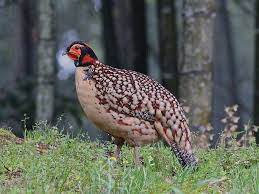
As of my great search, I have yet to find a Koklass seller besides Allandoo Pheasantry in UK. It has them listed at £160. They do pop up every once in a while. I have seen two live at the house of the breeder who I got my first pheasants from. He called them Koklass Partridges.
Blood Pheasant
Or Blood Partridge. There are 12 subspecies that aren’t all that different, so I won’t list them here.
I have yet to find any for sale anywhere. However they are rising in popularity and are bred in Europe. Maybe in a few decades we’ll get some over here in America!
If you find an approximate price or any for sell, please let me know by commenting!
Buwler’s
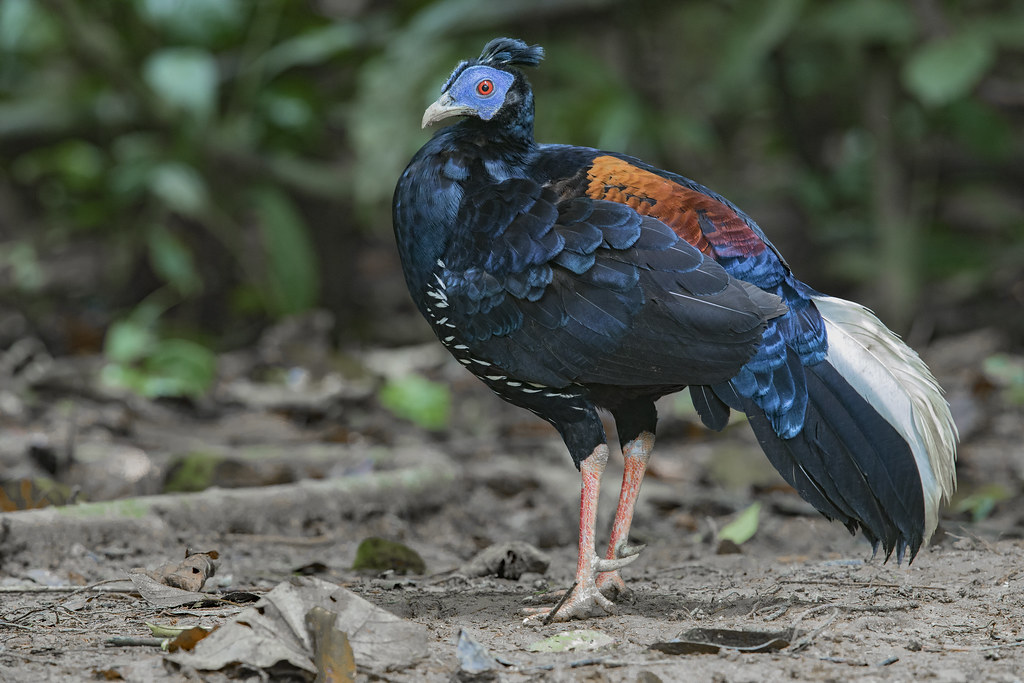
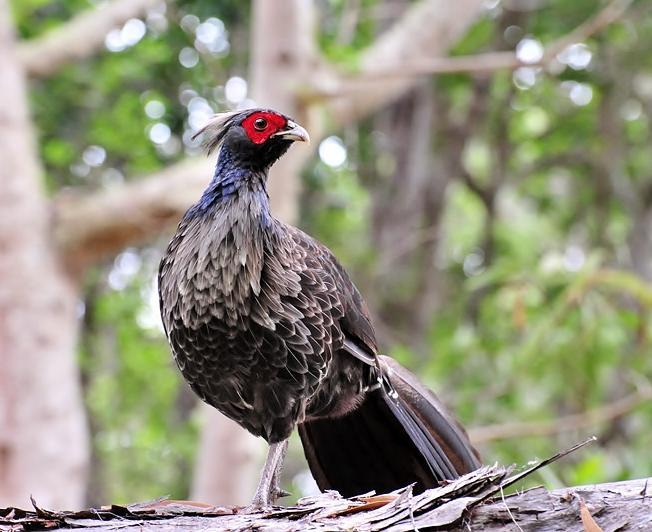
Resembles a Tragopan in face and a Fireback in body. Not easy to breed at all! First captively bred in 1975, but since then they’ve gone out of style. Less than 50 known in captivity. But maybe you can have one of those 50!
Crested Argus
First bred in the 1920s by one of my pheasant breeder role models, Dr. Jean Delacour, once president of the WPA. Since then they have decreased to being a zoo thing, and are rarely, if ever, a private breeder’s.
Crestless Fireback
Rarely in captivity as far as I know only in Houston zoo in Texas. There is a Crestless Fireback population in European aviculture but it is very small and inbred.
Salvadori Pheasant
Hogerwerf Pheasants are often considered a seperate but identical species from Salvadori, they are very rare. The Salvadori is also very rare.
As far as I know they are only in zoos, never having been a part of the private breeder’s collection.
Bonus: Congo Peacocks
As best I know only in zoos. Relatively recently discovered in the 1950s. In the 70s they began to rise in captivity, but nothing ever came of it.
It is in the subfamily with the Green and Blue peafowl, but not the same genus.
Very different as you can see. I have seen them for sale but once… in Cameroon… price negotiable.
P.S: If you’ve heard of Imperial pheasants, they are a cross of Edward’s and Silver. Beriloz and Lewis are subspecies of silver.
Not peacocks, the peacock pheasant are very similar to the peafowl, but different colors and much smaller. Perhaps instead of the utility or standard ornamentals, these are more your style. Care varies from that of a normal pheasant seeing that peacock pheasants require fruit and live insects as supplements to their normal food, and lay only two eggs a year, like the Great Argus.
Germaine Peacock Pheasant
Usually $700 a pair. Adorable, but a tad plain compared to the others.
Grey Peacock Pheasant
As a pair they price about $800. Quite spectacular! Most easy to keep of the peacock pheasants.
Palawan Peacock Pheasant
They are usually around $1,500 a pair. One of the most stunning pheasants in the industry!
Used to be much more common in captivity. Supposedly the Bronze tailed Peacock pheasant is still in captivity in U.S, but I rarely see them listed here. Perhaps more common in Europe. They are much like the Rothschild, and used to be in a genus with them and not the other peacock pheasants.
Hanian Peacock Pheasant
This was never captivated and was thought to be a subspecies of the grey peacock pheasant but the Hainan peacock-pheasant is smaller, and it possesses a short crest and ruff and has red facial skin as opposed to greyish orangish facial skin of the grey peacock-pheasant.
It is not unlikely that there is Hanian blood in the domestic Grey peacock pheasant.
Bornean Peacock Pheasant
Also never captivated, this is the rarest and least well known of all peacock pheasants. Long considered a subspecies of the Malayan peacock pheasant, they are however untouching in range, so Domestic Bornean blood is unlikely.
Sooo, if you are gonna stick with the five peacock pheasants that are normally for sale, they’re all here. If you want to go on a wild goose hunt for the other three, I ain’t stopping you!
Still not satisfied. Gosh, these folks are hard to please. Okay got $600 to spare for a really exotic pheasant?
Eared Pheasants
Blue eared. Usually $600 a pair
White Eared usually $1,100 a pair
Brown-eared pheasant. usually $750 a pair
Beautiful pheasant, but so exotic that a pair is usually at $600-1100 dollars, the white ears most and blue eared least. The white eared are endangered. There is also a non-captive Tibetan Eared Pheasant.
Tragopan Pheasant
Maybe you want a non-true pheasant Tragopan pair! There are the Satyr, Temminck’s, and Cabot’s! They range from $700- $3,500 a pair! Temminck’s being the $700, Satyr $2,500 and Cabot’s $3,500! There are also the Western and Blyth’s which are, to my knowledge, uncaptivated.
Temnick’s Tragopan
Cabot’s Tragopan
Satyr Tragopan
Impeyan Monal Pheasant
A stunning bird, in color by all rights it should be one of the most expensive! And unfortunately for the day-dreaming pheasant keeper, it is. Usually a pair is at $800 dollars. But if you can find a deal, it very well could be worth it.
Like Tragopans not formally considered a pheasant.
There are also the non-captivated Scalter’s Monal and Chinese Monal.
Siamese Fireback
Usually $800 a pair for the Siamese (or Diard’s) Fireback.
Crested Firebacks
Borean
Malayan
$1,500 a pair for Bornean Crested Fireback and Malayan (or Vieilott’s) Crested Fireback. They are subspecies of the same species. There is also the non-captivated other subspecies, Delacour’s Crested Fire Back.
Argus
Usually $3,500 a pair, the Argus is one of the cutest birds on this planet! If you ever hear someone talk about a double banded great Argus tell them that it is known about by a single feather, so no they don’t come as captives.
For actual ones for sale, look here. It has everything I went over besides, obviously, the ones I said weren’t captive. Also many of the ones I’ve discussed are available here, which a somewhat expensive hatchery but very high quality. Of course, if you can find a local dealer that might be best, as shipping costs would not exist. Craigslist and Softbills For Sale may be good option for that.
Good luck! Check out the next post in the series here please!
Usually only 150.00 an adult pair, the silver pheasant is perhaps for some people the best, cheapest ornamental option. In the Gallopheasant genus.
Reeves Pheasant
A duller bird, but still beautiful in its own way, the Reeves is another pheasant, at the price of a silver. Very rarely, it is used as a game bird. In the long-tailed pheasant genus.
Swinhoe’s Pheasant
At about $175, the Swinhoe’s pheasant is a very beautiful Gallopheasant, but can be a bit disturbing to some, as it has a part of its face featherless.
Golden Pheasant
One of my male golden pheasants, Flash.
Flash’s wife sunset.
Flash showing off his lengthy tail.
The golden pheasants are my personal favorites. They come from the ruffed pheasant genus. But they are expensive getting up to $200 for an adult pair. Like Ring Necks they come in many different kinds. The Red Golden is what’s shown above, the natural wild variety. All varieties are considered ornamental.
Silver: I wish I had these! But I have a theory that they are simply a Lady A x Yellow Golden Cross!
Salmon: Weird name, but really cool!
Dark-Throated Golden: These are the best!
Splash: Similar to the Salmon
Cinnamon: Amazing!
Peach: Very similar to the Yellow
Yellow Golden Bedragled
Lady Amherst
Very similar to the goldens, especially the silver goldens. In the same genus.
They are about the same price and size as a golden.
Elliot’s Pheasants
A bit duller compared to some pheasants but still spectacular and rather pricey, the Elliot prices about $300 a pair. In the long-tailed genus.
Kalijs
The White-crested Kalij, Nepal Kalij, Black-backed kalij, Wiliam’s kalij, Black Kalij, Oates’ Kalij, Crawfurd’s Kalij, Black-breasted Kalij, and Lineated Kalij are a single species of Gallopheasants, the Kalij.
The White-Crested, Nepal, and Lineated are, as far as I know, the only ones held in captivity. They are not too hard to find especially the White-crested. They are around $400 a pair usually.
White-crested
Lineated
Nepal
Copper Pheasants
The scintillating copper pheasant usually ranges at $500 dollar a pair. There is also a Ijma copper pheasant that is very hard to find for sale (people often falsely call the Scintillating Ijma). The are both Long-tailed pheasants.
Scintillating Copper Pheasant
Ijma Copper
Mikado
This beautiful long-tailed pheasant is usually about $500 a pair.
Japanese Green Versicolor Pheasant
Usually $500 a pair. Similar looking to Ring neck and in the same genus (which only includes those two.)
Cheer’s Pheasant
Usually about $500 a pair. Very fun to keep. Endangered. They have their own genus.
Hume’s Bar Tailed
Usually about $500 a pair. A long-tailed pheasant.
Edwards Pheasant
This Gallopheasant is usually about $500 a pair. Almost extinct in the wild. They were heavily hunted by the Americans during the Vietnam war.
{If you want to see pheasants for sale here is a great place to look! Exotic Pheasant Farm has everything I’ve discussed today besides certain golden and kalij varieties.}
Quail are little plump creatures and unfortunately for that reason the target of many predator attacks, from crows, to weasels, to dogs, to rats! So how the hey are we suppose to stop them?
From the Air
Crows, hawks, falcons, and eagles would all snack on a quail. So a roof is very necessary, made out of either hardware cloth or chicken wire. Simple netting is not satisfactory at all, a hawk could rip that up in seconds.
But aerial predators are not the hard ones
From beneath
Okay maybe this adorable hairless dumbo rat is too cute to hurt a quail, but other rats might not be
Rats, skunks, or opossums can easily dig right under your cage. For that very reason I suggest at least a foot of wire covering the floor on all sides, if not the entire floor. Make sure it is tied, stapled or nailed to the sides of cage, weather boards or more wire, so they can’t get in between.
And don’t just use window screens, or flimsy wire. Rats can chew right through! I’d stick with hardware cloth. It’s strong and has small openings nothing can fit through, besides baby button quail, but those aren’t exactly predators.
Going Right Through
Chicken wire is positively trash when it comes to racoons, opossums, weasels or snakes. Snakes can fit right through, unhinge their jaw and eat your quail. They won’t be able to get back out with a quail inside, but that won’t stop them from getting in!
Weasels (my least favorite animal as they will stalk your quail, coming back every month, to suck their blood) can just rip right through! But they can’t climb. So a foot or two of hardware cloth, or wood, on the bottom of the sides, will prevent them.
Note the HARDWARE CLOTH
Opossums and racoons are known for ripping wire enough for their arms and grabbing animals inside. So the same thing for weasels will stop that, because even if they climb and rip wire in the higher part of the pen, your quail won’t be levitating (I assume).
Snakes small enough to fit through hardware cloth are garters far to small to get your quail, however snakes are known to climb so you may want total hardware cloth sides if you can afford it. Or make the cage not really have great climbing access. Or have a pheasant with the quail as they eat snakes!
Dogs, either wolves or domestic, are also potential predators that can barge through hardware cloth. Thus I keep my quail pens inside a large fenced area. A dog proof fence should consist of wooden, welded, or woven fencing tall enough that dogs can’t jump over.
Very often, if you are a bird breeder, you run into this question time and time again. Should you hatch your chick, or let it die in its egg? Fortunately for us that is a false dichotomy, but we’ll get to that in a second. The answer is sometimes yes, sometimes no.
You see when your chick is too weak to hatch it’s probably to weak to live. Often they have a disability like splayed leg or crook toe, often they have trouble adjusting there lungs to the outside air.
If you are trying to decide what to do, preform the following steps:
1: Is it struggling or are its lungs adjusting?
If it is visibly struggling it might need help, but if its not, hatching it might be fatal, as its lungs are still adjusting. Thus in this case, do not hatch it until the hatching period is over, which brings me to the next point:
2: Is it still within hatching period?
Button quail, to use my favorite bird for an example, have a three day hatching period, meaning at anytime within three days they could hatch, for them, until day three you shouldn’t hatch them.
There are exceptions for that as well. For instance if it is attempting to walk around trying to get ‘unstuck’ from a part that is still stuck to it, or if its head is out and lungs have adjusted etc. but it is still stuck.
3: Is the humidity high enough?
At hatching, every bird should be in an area at between 60-80% depending on the bird. Pheasants do happen to be usually still supposed to be in the 50s. If the humidity is not high enough then the shell will be too hard to hatch it, and the chick also might stick to it.
Thus, before aiding your struggling chick, add water to the environment to make hatching easier (If all other baby birds are out you can even raise it a little extra to soften the shell yet more).
4: If you’re gonna do a job, you’d better do it right
If you do it wrong, the chick will die!
If all requirements are filled and you know you ought to help then do not shake the egg, but gently pry apart the egg from the opening. It may be stuck as a result of dryness or lack of proper turning, or it’s just stuck and it’s not anybody’s fault. Getting the shell off the chick is a hard and delicate task.
If you have to you can leave a small portion stuck to it as, if it has any strength whatsoever, or has other chicks with it, they can probably eat it off. A larger portion may be gently cut off if needed.
Conclusion:
Now with all those steps met I will warn you that if a chick cannot hatch in a proper environment, then it probably won’t live for very long out of its egg either. There are exceptions, some chicks I’ve hatched have lived happily to adulthood, but others have been incurably splay legged.
But I believe that it is worth the chance! So please feel free to give your chick a fair shot at life.
And you have any questions o you think you have anything to add, the comments are below!
Often there are animals we wonder if they can live together. I have compiled this chart and a guide to compatibility. ✔ means yes, ✖ means no, and ❔ means yes given correct conditions.
Am I insane for having made this chart? Yes.
Chickens
Chickens are best housed with other chickens, ducks, doves, pigeons, sheep, alpacas, rabbits, emus, or donkeys.
It is possible to house with guinea fowl or geese, based on how much room you are providing (i.e. not a coop, but a large fenced in or free range area).
They can also live with pigs, given good room, and a good tempered pig. Estella, my pig, always loved her chicken friends, they would roost on her back at night.
Chickens may be housed with pheasants, peafowl or turkeys if you give great attention to making sure eggs have not been exposed to dung of other chickens and is incubated with no contact with contaminated eggs, and raise the chickens with no contact with chickens of a different background.
I admit, having met these requirements, I have kept OEGBs with pheasants.
Quail
Dove, quail, and hard to see female golden pheasant all together happily.
Quail are easily housed with other quail, pheasants, doves, pigeons, and rabbits. I would suggest on extending the boundaries further.
Pheasants
Molting Golden Pheasant male with one of his quail friends.
Pheasants are best housed with male-female pairs for some species, and for others five or eight females for each male, but you can easily keep them with quail, peafowl, doves, or rabbits.
Turkeys can be housed with pheasants, but it will have to be a huge aviary, or a fenced area, if your pheasants are pinioned. It’s just kind of a weird thing to do.
Guinea Fowl
They can be housed with goats, sheep, alpacas, emus, donkeys, and other guineas without trouble.
Give lots of room, and chickens, turkeys, ducks, geese, rabbits, peafowl, and a kindly tempered pig, would all make good pen fellows.
Turkeys
Other turkeys, goats, sheep, alpacas, rabbits, and donkeys can be housed successfully, and with enough room and enough female turkeys to out weigh the males, Guinea fowl, peafowl, ducks, geese, and a very good tempered pig do well.
Turkeys can be housed with pheasants, but it will have to be a huge aviary, or a fenced area, if your pheasants are pinioned. It’s just kind of a weird thing to do.
Peafowl
Peafowl are best with peafowl, or rabbits, oddly enough, but pinioned ones can dwell with sheep, goats, alpacas, emus, or donkeys. With lots of room, pheasants, guinea fowl, turkeys, and very friendly or lazy pigs work too.
Ducks
Ducks are easy with chickens, other ducks, sheep, goats, alpacas, emus, and donkeys.
Given lots of room and proper male-female ratios for the birds, guinea fowl, turkeys, geese, pigs, and if given dry land, rabbits.
Geese
Geese are best with other geese, and large livestock, such as goats, sheep, alpacas, and emus.
With lots of room and proper male:female ratios, there are chickens, guinea fowl, turkeys, ducks, nice pigs, and rabbits.
Doves
Dove with a grumpy baby rabbit friend.
Doves are great with chickens, quail, pheasants, other doves, pigeons usually, but aggression isn’t unheard of, and rabbits.
Pigeons
Pigeons can be with chickens, quail, doves usually, but aggression isn’t unheard of, other pigeons, and rabbits.
Goats
Goats can live with chickens, guinea fowl, turkeys, peafowl, ducks, geese, other goats, sheep if same gender, you don’t want cross breeding, alpacas, rabbits, emus, donkeys, and pigs given enough room and a kind temper.
Sheep
Sheep can live with chickens, guinea fowl, turkeys, peafowl, ducks, geese, other sheep, goats if same gender, you don’t want cross breeding, alpacas, rabbits, emus, donkeys, and pigs given enough room and a kind temper.
Alpacas
Herbert and Pip again. Pip is basically his Mom.
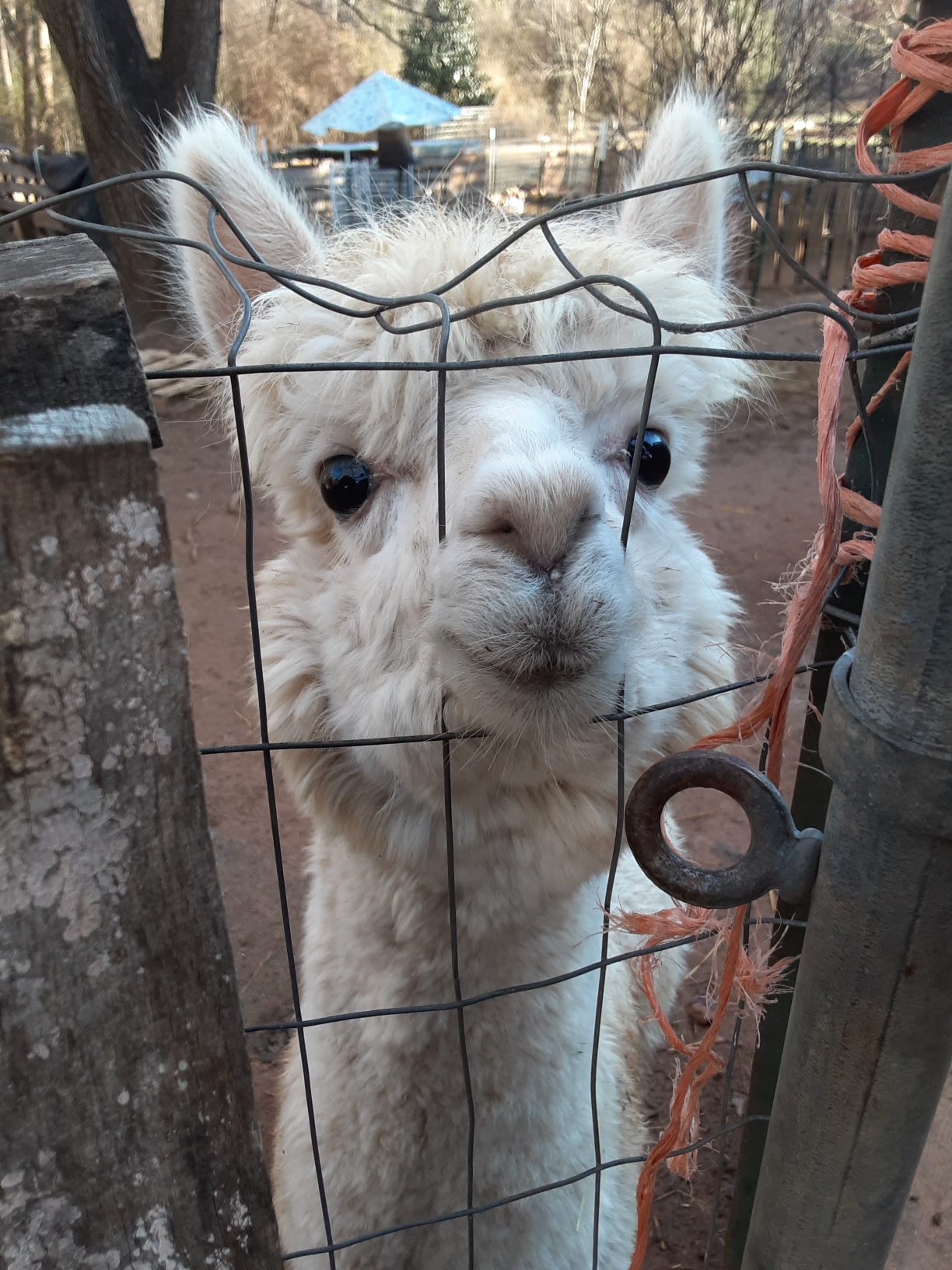
King of compatibility, alpacas love everyone, and everyone loves alpacas.
They can easily live with chickens, guineas, turkeys, peafowl, ducks, geese, goats, sheep, other alpacas, bunnies, emus, and donkeys.
With enough room, they can live with pigs too.
Pigs
Pigs are omnivores, which means that they eat meat as well as grass. This means any animals you house them with are in some danger. However, pigs can be lazy and others good tempered, and if they aren’t starving they probably wouldn’t mess with other animals.
It’s your judgement call, my pig does well with other animals, but others don’t.
Even housing multiple pigs together can cause fights.
If you give enough room, so they can avoid each other, they can live with chickens, guineas, turkeys, pinioned peafowl, ducks, geese, goats, alpacas, rabbits, emus, or donkeys.
Rabbits
Rabbits are somewhat less limited than others. They can dwell with chickens, quail, pheasants, turkeys, peafowl, doves, pigeons, goats, sheep, alpacas, emus, donkeys, and guinea pigs. With dry area and clean water, and lots of room, they can live with geese, ducks, friendly pigs, and guinea fowl, if given hides.
Emus
Emus make great pen fellows for chickens, guineas, turkeys, pinioned peafowl, ducks, geese, goats, sheep, alpacas, rabbits, donkeys, and benevolent pigs.
Donkeys
Easily housed with other donkeys, chickens, guineas, turkeys, peafowl, ducks, geese, alpacas, sheep, goats, rabbits, and emus, they can also be housed with good tempered pigs.
Guinea Pigs
Guinea pigs are best kept to rabbits, and other guinea pigs, when it comes to the farm.
Usually $50 for a pair. They make good pets and meat. And also come in many colors.
The Diamond Dove
As you can see they too can come in different colors.
About $55, depending on the variety (the more exotic varieties cost more), the diamond doves make good aviary pets. They are much smaller, and less in to humans, but can still be tamed.
They can be outside, down to 40F but temperatures below that are dangerous. They are best housed with button quail, finches, parakeets, etc.
Homing Pigeons
$100 – $150 for a pair. They are the most commonly kept pigeon. As the name suggests they can fly back to their home easily and from very far away. They are often used for show, messengers, and racing. They also come in a variety of colors.
Tumbler Pigeons
Usually $130 a pair. They are bred for show, so they are bred in many different colors and with frills etc. They can be taught to fly very fancily and do backflips. It’s very cool and cute as heck.
Owl Pigeon
$160 for a pair. Bred from the rock dove, like the homing pigeon and the tumbler. They are tame and trained to do tricks like the tumblers.
The Owl Pigeon is a stocky little pigeon that will almost fit in your hand. They are easy to keep and are also very easy to breed as they make very good parents.
Fantail Pigeon
Also usually $160 for a pair. They too are bred from rock doves. They are very fancy dancy. And cute as all get out.
Frill Pigeons
$160 a pair. A breed of rock dove for fancy looks.
Angel Pigeons
$160 a pair. Also from rock doves.
Zebra Doves
Usually $200 a pair. They can be tamed easily. Care and keeping mostly identical to that of the diamond dove.
Hubble Pigeons
$210 a pair. They are bred for meat from the rock dove.
Cape Doves
Usually $220 a pair. They love heat so they can’t live outside in the winter. Care is similar to that of a diamond dove.
Runt Pigeons
Usually $240 a pair. Also bred from the rock dove. They are a utility breed, but still make heckin’ good pets.
Triangular Spotted Dove
$310 a pair. Care similar to that of other small doves.
African Olive Pigeon
$350 a pair. Not very often kept.
Fruit Dove
$350 a pair. Eats fruit as the name implies. Make great beautiful pets! Cannot withstand cold winters.
Indian Green Wing Dove
$350 a pair. Care similar to diamond dove. Not to be outside in freezing weather.
Dwarf Turtle Dove
$460 a pair. Looks like the Ring-neck dove but is only nine inches. Care very much like a Ring-neck.
Pygmy Ground Dove
$470 a pair. About the size of a finch. Care like a diamond dove.
Australian Crested Dove
Truly amazing but truly expensive, this dove is usually $620 a pair. Can live outside below freezing but not suggested.
The Bleeding Heart Dove
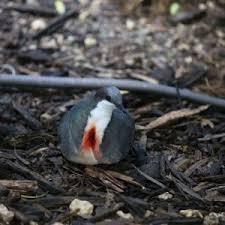
Exquisite but expensive, the bleeding heart doves come in two main species, the Luzon and the Bartlett’s. The Luzon are usually $750 a pair and the Bartlett’s is usually $900.
Bartlett
Luzon
They are much harder to feed, and require very large housing. But these can live outside in the winter.
Nicobar Pigeon
If you’ve decided on these guys, you’re going full out! They are usually $1,200 a pair! Their care is specialized and they are very rarely found, but well worth a search.
Victoria Crowned Pigeon
Surprisingly docile, this $2500 bird is perhaps well worth the cost! They are very hardy but are less common because pairs usually only nest twice each year, both times with only one egg.
They can withstand mild winter days.
Conclusion
There are of course much more, as always, but I covered the best and basics. For any one of these care varies, such as diets, breeding, etc. so research into you choice carefully.
Alpacas are more loveable than a dog, more cuddly than a rabbit, and more fluffy than pure fluff! When trained well, an alpaca really joins the family. So how hard are they to care for?
Water
As the most important thing for an animal’s life, Alpacas are notorious drinkers, sometimes going through two entire buckets of water in the summer days.
Note: I did not put the bucket on Herbert in this picture, he did it himself somehow. Just thought you would find it cuter if I let you know!
My buckets empty sir. Please fill it up!
So remain on top of your alpaca’s water.
They also enjoy the occasional tall lavender latte:
DISCLAIMER: don’t actually give alpacas coffee
Food
Alpaca and Llama feed is usually at your local feed store. If not then you can probably request it specially, as we do at our store.
Usually 1/2 cup of pellets a day is good as long as you keep on top of hay! Pregnant alpacas may need more pellets though.
Alfalfa is too rich as the main hay source for alpacas, but chaffehaye, fermented alfalfa, is healthy in small amounts.
Coastal Hay is very healthy. I would suggest having constant access to this kind of hay. Also grazing time is important for these fluffy creatures.
Supplements
It is recommended to give an alpaca his minerals regularly. Here we just sprinkle on top of the food every feeding.
Preferably you can get them special alpaca minerals (Stillwater Minerals) but if you can’t get these sheep minerals work as well.
DO NOT GIVE GOATS MINERALS. THEY ARE FAR TOO HIGH ON COPPER.
Every month in America east of the Mississippi River, an alpaca needs his shot. You see, alpacas can easily contract a certain kind of worm native here, meningeal worm, specifically spread by the white tailed deer, and snail trails and they are consumed by alpacas.
The shot is injectable ivermectin, sold at most tractor supplies and feed stores. It is a subcutaneous shot, which means it doesn’t need to be injected in a blood vein, just under the skin. You pull their skin up into a tent shape and put the needle in.
MAKE SURE IT GOES IN. OTHERWISE THE SHOT IS POINTLESS.
It can be a little difficult with all that fluff.
Not my shot!
I’m busting out of here!
That failed.
Breeding
Alpacas should not be bred until at two or three years of age. Females must be at least ninety pounds to breed.
Males can come of age as late as three years.
Keep the breeding alpacas alone.
If the female is not able to breed she may get mad at male so you should separate them.
You need to have them together for about a month.
It takes eleven to twelve months for pregnancy so it can be suspenseful.
Please research a lot before endeavoring to breed these somewhat delicate animals.
Good luck raising your cria!
Housing
Alpacas need a good shelter (a three sided and roofed building is great) and it needs to be big enough to fit all alpacas without to much cramp. Of course they should have a pen in addition.
Combined, those should total 40 square feet per alpaca.
Compatibility
Alpaca’s love each other, they are herd animals. But they also love other animals!
Meeting our friend’s alpacas
Our alpacas, as well as my little brother.
Herbert comforting Pip as she prepares to have children. Note that he gets along with her splendidly.
And the goats were born and Herbert basically adopted them.
Herbert and Pip again. Pip is basically his Mom.
They also usually make friends with all other animals. Just not with deer or similar creatures (moose, elk) because of worm and disease.
Herbert was basically adopted by our goat Pip. But he also has lived with rabbits, ducks, and chickens!
Emus are good too, as long as they don’t get too interested in those big eyes.
Other options are sheep llamas, geese, guineas, donkeys, and horses.
And now a Herbert slide show:
Food Time!
Have you ever seen anything so happy?
My goat friend!
Driving the car
Got questions, comments or concerns?? Comment away!
Sometimes, as a hobbyist, instead of a full time farmer, we’ll pop two- three eggs in the incubator to see what happens.
Sometimes the results are less than pleasing. Sometimes it’s nothing, but sometimes, maybe even worse, it’s a lonely chick.
Well, luckily for you, it’s all right.
The chick might not be alone
I’m in this big wide world… alone.
Several times, I flip out because I think this is happening! The first time I ever hatched button quail (by myself, there was a time before this that my adults hatched for me), I thought this was the case.
After all, buttons in particular are known for being predictable in hatching time. They talk to each other through their eggs, encouraging one another to hatch. It wasn’t until 24 hours later that nine others hatched.
So you see, not all hope is lost. I’d leave the alone baby in with the eggs for at least a day until others hatch. His presence is likely to encourage the others in hatching.
Really Truly Alone
There are a few things to do. Of course, if you have other chicks, even of a different species, that are also brooding, you can brood the loner with the others.
But if you don’t, you should prioritize giving him a stuffed animal or a duster. He will find warmth under it an think of it as his mommy or daddy.
Although not alone, my chicks found great love for their giant pink bunny.
Of course, you exist too.
Giving the chick time with humans to cuddle and socialize, could be the key.
People often worry so much about a lone chick, but by the time it’s grown, they’ll tell you how glad they are that it was alone. Because it attached to them, over other birds. Often they become the best of house hold pets! One of my favorite ever birds to raise was my first ever golden pheasant chick who hatched alone. He loves me!
Baby Golden Pheasant I mentioned. I’m holding him whilst taking this pic
Conclusion
Hope is not lost, and things aren’t that bad! Just give it a fluffy thing and your own attention and you may end up with the best cuddly chicken that ever there was!
After all, a bird in the hand is worth two in a bush.
Please like, comment, and/or subscribe! If you have any questions, don’t hesitate to ask!














 Where The Chickens Roost